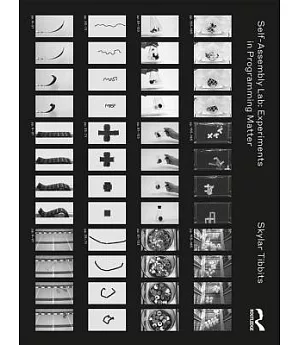
What if structures could build themselves or adapt to fluctuating environments? Skylar Tibbits, Director of the Self-Assembly Lab in the Department of Architecture at MIT, Cambridge, MA, crosses the boundaries between architecture, biology, materials science and the arts, to envision a world where material components can self-assemble to provide adapting structures and optimized fabrication solutions. The book examines the three main ingredients for self-assembly, includes interviews with practitioners involved in the work and presents research projects related to these topics to provide a complete first look at exciting future technologies in construction and self-transforming material products.
-
Design Research Now 2
$4,050 -
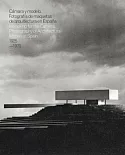
Camara y modelo / Modelling for the Camera: Photography of Architectural Models in Spain 1925-1970 / fotografia de maquetas de a
$1,575 -
Creating Sensory Spaces: The Architecture of the Invisible
$8,100 -
Architectural Education in 21st Century Asia: How to Learn Architecture
$4,950 -
The Ten Most Influential Buildings in History: Architecture’s Archetypes
$8,100 -
Modern Construction Case Studies: Emerging Innovation in Building Techniques
$2,498 -
Constant: New Babylon; To Us, Liberty
$2,100 -
The Architectural Drawing Book: A Survey of Drawing from Prehistory to the Present
$1,748 -
Designbuild Education
$8,100 -
Creating Sensory Spaces: The Architecture of the Invisible
$2,023 -
Flux: Architecture in a Parametric Landscape
$1,750 -
Self-assembly Lab: Experiments in Programming Matter
$2,473 -
HB Design: Selected Architectural Works
$1,398 -
Architectural Details Sketchbook 2: The Systems of Proportion
$1,225 -
Timber Gridshells: Architecture, Structure and Craft
$2,878 -
Research and Development in Art, Design and Creativity
$2,475 -
Timber Gridshells: Architecture, Structure and Craft
$8,100 -
Technology in the Country House
$5,400 -
The Visual Biography of Color
$1,223 -
Archigraphy: Lettering on Buildings
$2,998